Chwezi Games develops mobile games, web games, educational games, football and sports concepts, narrative adventures, multiplayer prototypes, and gameplay systems that are fun to play, useful to learn from, and respectful of the cultures they draw on.
Evidence-gated productionEntertainment, education, cultural fitGodot, Unity, Unreal, TypeScript
Games we develop
Mobile, web, learning, sports, story, multiplayer, and studio systems.
Chwezi Games builds playable work for clients who want games that entertain first, teach with evidence, and fit the cultural context of the players they serve.
01
Android-first and cross-platform players.
Mobile Games
Casual, arcade, puzzle, runner, sports-lite, and progression-driven games designed around short sessions, touch controls, offline tolerance, device budgets, and store-readiness.
Typical stack: Godot or Unity, lightweight analytics, save-state resilience, Android test matrix, and monetisation reviewed for player trust.02
Brands, events, launches, publishers, and communities.
Web Games and Playable Campaigns
Browser-playable games, interactive demos, launch activations, referral challenges, and campaign experiences that can be shared without an app install.
Typical stack: TypeScript, Canvas/WebGL or Godot web export, Astro landing pages, analytics events, fast asset budgets, and simple social sharing paths.03
Schools, NGOs, trainers, civic teams, and learning products.
Educational and Serious Games
Learning games, simulations, scenario trainers, quizzes with game loops, financial-literacy experiences, and behaviour-change tools where engagement is not treated as proof of learning.
Typical stack: Godot, web delivery, structured learning objectives, pre/post measures, accessibility review, and evidence notes for what the game can and cannot claim.04
Football communities, academies, fan projects, and sports brands.
Sports and Football Games
Penalty, tactics, reflex, management, card, training, and fan-engagement concepts shaped by clear rules, readable feedback, and respect for football culture.
Typical stack: Godot or Unity for playable loops, deterministic match/rules systems, animation prototypes, progression balance, and device-performance profiling.05
Studios, cultural organisations, educators, and IP owners.
Narrative and Cultural Adventures
Story-led 2D/3D games, dialogue systems, exploration loops, mythology-inspired worlds, quests, choices, and character-driven prototypes with research and permission discipline.
Typical stack: Godot, Unity, Ink/Yarn-style narrative data, validated quest graphs, localisation-safe content, and a fact/fiction/permission ledger.06
Founders, publishers, investors, and teams proving a premium concept.
3D Vertical Slices
Representative slices that show camera, controls, environment, UI, art direction, audio, performance, and pipeline quality before a larger production budget is committed.
Typical stack: Unreal Engine or Unity, Blender asset pipeline, profiler budgets, source-controlled builds, release notes, and a go/narrow/pivot recommendation.07
Studios testing cooperative, competitive, or social play.
Multiplayer and Community Prototypes
Small-scope multiplayer experiments, lobby flows, turn-based systems, scoreboards, ghost runs, asynchronous challenges, and community loops built to expose technical and behaviour risk early.
Typical stack: Unity/Godot plus a backend spike, authoritative-state decisions, abuse controls, telemetry, and narrow tests before full online production.08
Studios that need specialist implementation inside an existing build.
Game Systems for Existing Teams
Movement, inventory, quests, dialogue, economy, AI behaviour, save/load, telemetry, progression, camera, and debug tooling built with clean ownership boundaries.
Typical stack: the client's engine, engine-neutral system specs, typed events, versioned persistence, automated rule tests, and handover documentation.
Methodology
Fund evidence, not wishful production.
Most game risk hides inside play feel, learning value, cultural fit, scope, device budgets, content pipelines, saves, monetisation, and player assumptions. Chwezi Games moves those risks into explicit tests before a full team is committed.
Frame the player promise, platform, business model, and non-goals.
Write the assumptions that could kill the project.
Build the smallest credible playable evidence.
Test with the intended cohort and target device class.
Convert learning into requirements, tests, estimates, and a go/narrow/pivot/stop decision.
Services
From idea to playable proof.
The agency sells decisions: what to build, what to test, what to stop, and what is ready for production.
01
Game Discovery
A paid decision sprint that turns an idea into a player promise, cultural-fit thesis, learning or entertainment goal, risk register, prototype plan, and production route.
Best when the next decision is whether to fund a prototype or stop.02
Prototype Production
Playable loops, greyboxes, control tests, game-feel passes, and instrumentation built to answer one high-risk question.
Best when fun, comprehension, device performance, or feasibility is uncertain.03
Vertical Slices
Representative builds that prove art, audio, UI, controls, performance, pipeline, and release discipline together.
Best before a team commits to full production.04
Gameplay Systems
Movement, quests, dialogue, inventory, progression, economy, save/load, AI behaviour, and telemetry with testable state.
Best for studios that need clean systems instead of controller sprawl.05
Game Visual Experience
HUD, menus, diegetic UI, feedback, camera, art direction, accessibility alternatives, and platform presentation rules.
Best when the game must feel readable, responsive, and ownable.06
Production Rescue
Short specialist interventions for scope creep, broken saves, poor feedback, weak frame rate, or unclear build pipelines.
Best when a project is moving but the production risk is hidden.
Dedication
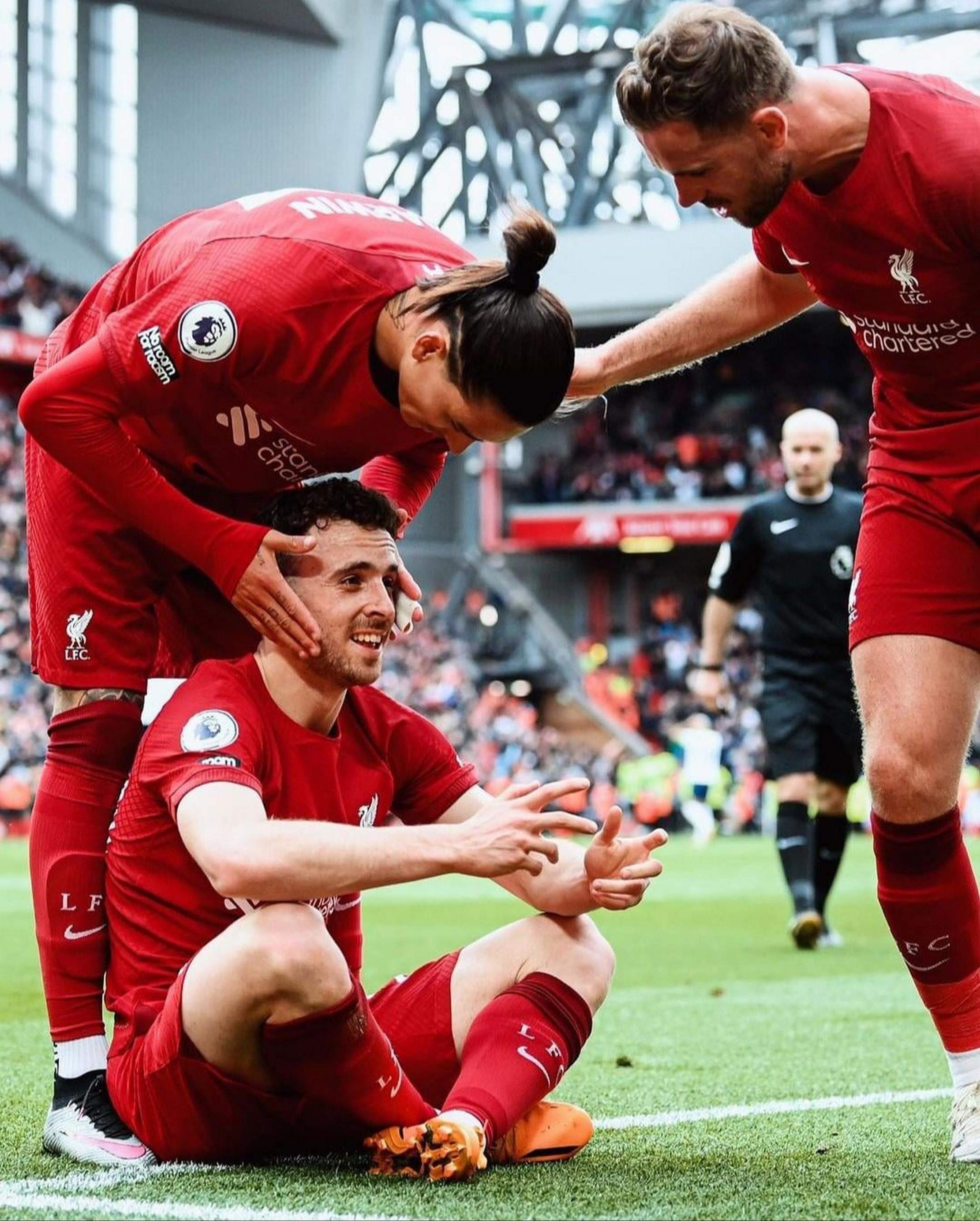
For Diogo Jota.
This practice is dedicated in memory of Diogo Jota: a player whose speed, intelligence, work rate, and love for games made him feel close to both football people and gaming people. Chwezi Games carries that lesson into the studio: play with intent, finish the move, and respect the team.
Independent tribute. Chwezi Games is not affiliated with Liverpool FC, Diogo Jota's family, or his estate.
Forever 20. Independent tribute image used only in the dedication context.
Proof gates
A build advances only when the evidence matches the claim.
A vertical slice is not a content sample. It must prove production behaviour: representative controls, UI, art, audio, performance, telemetry, and release discipline.